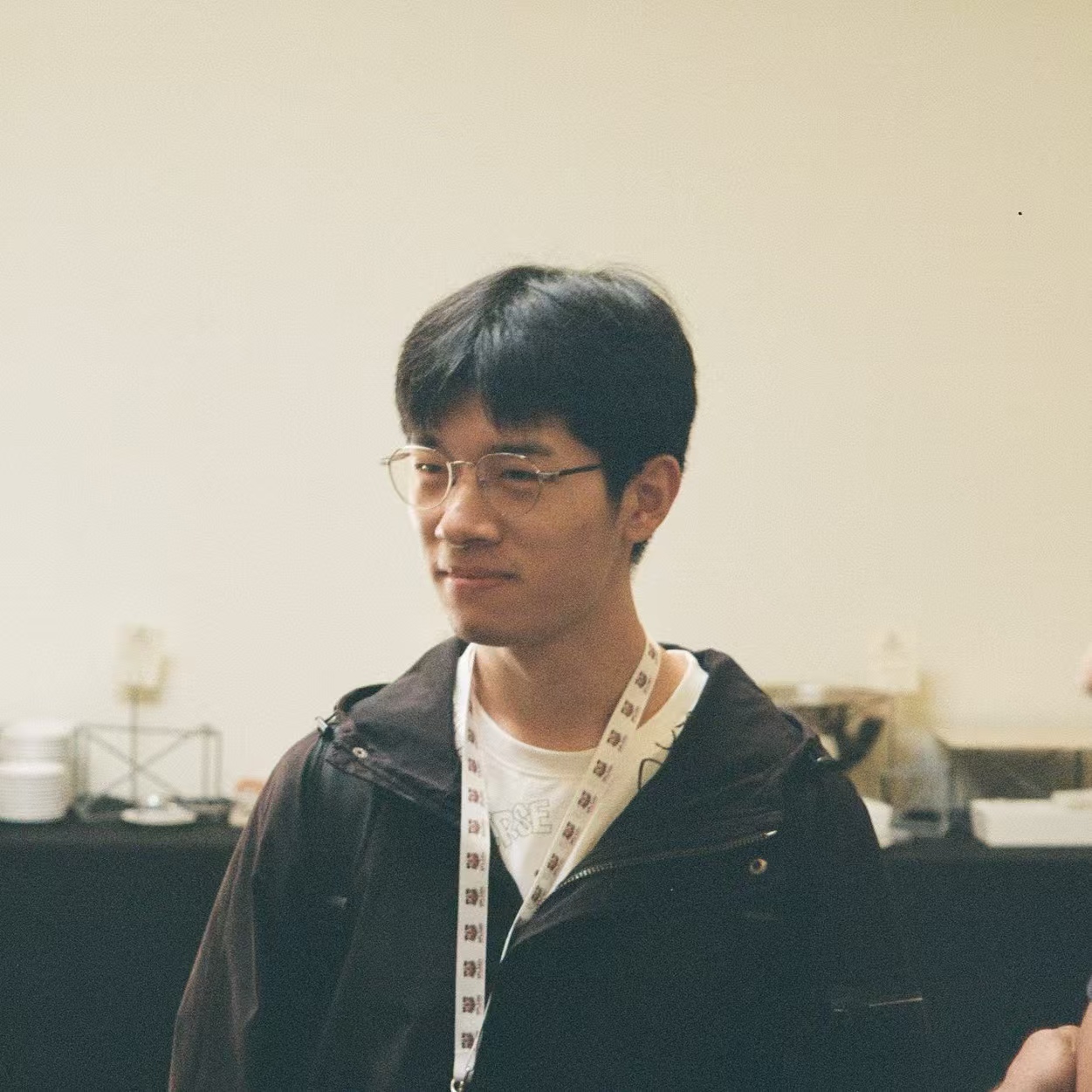
Alex completed his PhD (submitted 2006, conferred 2007) on Generic Ownership, showing how type polymorphism can be used to provide ownership type support in any language. This approach has since been widely adopted by the Rust Programming Language as "lifetime parameters". He went on to demonstrate deep connections between ownership and immutability with the help of the Royal Society of New Zealand Marsden Fund (2008 - 2011), with a book chapter on Immutability outlining the core outcomes of this work.
After a full-year sabbatical at Carnegie Mellon University working with Professor Jonathan Aldrich, Alex created the Wyvern Programming Language - a novel general-purpose language designed from the ground up with security and usability as its primary goals. This produced numerous publications including work on type-specific languages and decidable typing for type members.
Since joining the Australian National University in 2022, Alex's research has centred on trustworthy systems and quantum program verification: the Fiducia language for verified embedded systems building on the seL4 microkernel, and the first embedding of quantum program verification into Dafny (OOPSLA 2025), with follow-on work on quantum state preparation recognised by an ESOP 2026 Distinguished Paper Award. He is a Permanent Member of IFIP Working Group 2.4, an Adjunct Professor in S3D at Carnegie Mellon University, a Senior Visiting Fellow with the Trustworthy Systems group at UNSW Sydney, and leads the School of Computing's GenAI teaching deployment under the ANU–Anthropic partnership.
Alex's ownership type system research directly influenced how the Rust programming language implements its ownership and lifetime system - one of Rust's defining features for memory safety. The well-known "The Performance of Open Source Applications" book cites his research that revolutionised performance evaluations in Talos and similar systems.
The CUE configuration language, used widely within Alibaba's cloud, based its module system on Wyvern's design. Scala drew on our Wyvern research for its path-dependent types and type member mechanisms, and more recently adopted the capabilities-and-effects combination that Wyvern pioneered — see Scala's capture calculus, whose ideas originate in our paper Capabilities: Effects for Free (ICFEM 2018).